HVAC Services: Your Ease Is Our Priority
HVAC systems serve a crucial role in ensuring indoor comfort. They manage temperature and air quality, influencing overall health. However, many homeowners overlook the signs of potential issues. Recognizing these signs is necessary for proper management. Routine maintenance and timely repairs can stop bigger problems down the line. But how does one identify the right services? The answers may surprise you and could enhance your indoor experience.
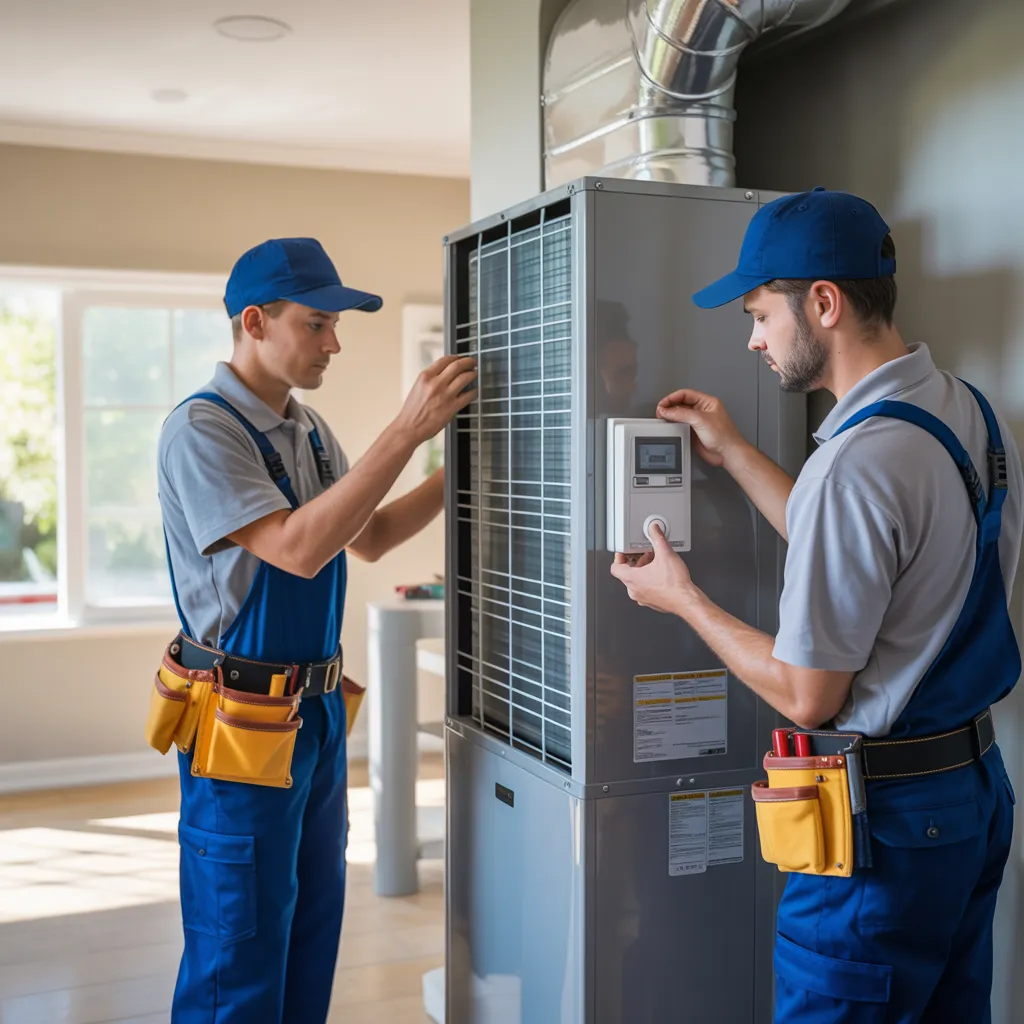
Why HVAC Systems Matter for Your Comfort
HVAC systems play a crucial role in maintaining interior climate control throughout the year. These systems regulate temperature, humidity, and air quality, guaranteeing a comfortable setting independent of external weather conditions. In summer, air conditioning provides relief from heat, while heating systems counteract the chill of winter. Adequate air circulation is imperative, as it eliminates stale air and brings in fresh air, which contributes to overall well-being.
Moreover, HVAC systems strengthen fuel economy by optimizing energy use, leading to decreased utility expenses. A well-maintained system operates quietly and effectively, decreasing interruptions in routine activities. The filtration components also play a significant role in upgrading interior air standards by capturing particles, irritants, and impurities, benefiting respiratory health. Therefore, a trustworthy HVAC system is not merely a convenience; it is a critical component for promoting comfort, wellness, and energy conservation within residential and commercial spaces.
Ways to Detect HVAC Problems Before They Worsen?
How can one detect HVAC issues before they become severe? Early recognition is vital for maintaining a cozy environment. One of the first symptoms of issues is abnormal noises, such as knocking or hissing, which may indicate mechanical failures. Additionally, variable temperatures throughout the home can signal air duct problems or an faulty thermostat. Homeowners should also be vigilant for unpleasant odors, which could suggest mold growth or electrical issues within the system.
A supplementary indicator is a jump in energy bills. If costs surge unexpectedly, it may be attributable to the HVAC system operating harder than called for. Checking air filters on a routine basis is necessary, as obstructed filters can compromise performance. In conclusion, condensation or leaks near the system can point toward coolant complications or drainage concerns. Through observing these warning signs, one can handle HVAC problems swiftly, maintaining peak performance and comfort.
Essential HVAC Services for Your Home
Investigating essential HVAC services for homes, understanding the necessity of periodic maintenance is essential. Additionally, energy efficiency upgrades can markedly lower utility costs while increasing comfort. Emergency repair services are also vital, confirming that homeowners can quickly address unexpected issues.
Why Routine Maintenance Matters
Regular upkeep is crucial for guaranteeing the longevity and performance of heating, ventilation, and air conditioning systems. Without regular check-ups, minor issues can progress into costly repairs or replacements. Scheduled maintenance enables technicians to examine and clean components, guaranteeing peak functionality. This proactive approach not only lengthens the life of the equipment but also enhances indoor air quality by eliminating dust and allergens. Additionally, regular maintenance aids in spotting potential problems before they interfere with system performance, offering peace of mind to homeowners. Adhering detailed article to a maintenance schedule can also boost energy efficiency, leading to reduced utility bills. Ultimately, investing in routine HVAC maintenance protects comfort and promotes a healthier living environment.
Energy Efficiency Improvements
Energy efficiency enhancements remain an vital role in perfecting HVAC systems for homeowners. These modifications not only cut energy consumption but also lower utility bills, making them a excellent investment. Common upgrades include the installation of programmable thermostats, high-efficiency filters, and advanced insulation. Homeowners may also consider replacing outdated units with Energy Star-rated equipment, which offers improved performance and reduced environmental impact. Additionally, sealing ductwork can impede energy loss, ensuring that conditioned air reaches its intended spaces. By implementing these upgrades, homeowners can maximize comfort levels while contributing to sustainability efforts. Ultimately, investing in energy efficiency not only benefits individual households but also promotes a healthier planet for future generations.
Emergency Restoration Solutions
When heating and cooling systems go wrong, prompt emergency repair services are crucial for homeowners. These sudden breakdowns can cause bad living conditions, especially during extreme weather. Skilled technicians are prepared to diagnose and fix issues quickly, restoring comfort and safety to the home. The services usually include 24/7 availability, ensuring that assistance is always just a call away. Typical emergencies include malfunctioning air conditioners, heating failures, and refrigerant leaks, which can worsen into larger problems if not addressed. Homeowners gain from rapid response and professional solutions, reducing downtime and possible damage. Investing in dependable emergency repair services not only tackles immediate problems but also helps prolong the life and efficiency of HVAC systems. Giving priority to these services ensures peace of mind throughout the year.
The Benefits of Regular HVAC Maintenance
Investing in regular HVAC upkeep improves system efficiency and extends equipment life span. Routine checks and tune-ups identify potential problems before they escalate into costly repairs. During service visits, technicians clean components, assess refrigerant levels, and ensure that all parts are functioning at peak performance, which can result in lower energy bills and enhanced indoor air quality.
In addition, regular maintenance can help maintain warranty coverage, as many manufacturers necessitate proof of consistent care. Homeowners benefit, knowing their HVAC systems are less likely to experience failure unexpectedly. This proactive approach not only maintains comfort but also adds to a healthier living environment.
In the final analysis, the benefit of regular air conditioning maintenance can be found in its power to reduce disruptions, improve performance, and save money over time. By prioritizing upkeep, residents can promise their HVAC systems operate smoothly for many years.
How to Choose the Best HVAC Services?
How might you identify the best HVAC services available? First, interested parties should look for recommendations from loved ones, peers, or online ratings to assess satisfaction levels. A reputable company often displays a history of positive feedback. Next, one must confirm credentials; licensed and insured technicians prove professionalism and adherence to safety standards. Evaluating the range of services offered is critical; the best operators should offer installation, maintenance, and repairs.
In addition, obtaining multiple bids allows for contrast of fees and offerings, ensuring transparency. It is also wise to inquire about protections and promises, which indicate the company's confidence in its work. Finally, responsiveness to inquiries can signal a vendor's commitment to service excellence. By considering these aspects, customers can make an sound decision, ensuring comfort and reliability in their HVAC system.
Boosting Indoor Air Quality Using HVAC Systems
Opting for the right HVAC services not only increases comfort but can also greatly affect indoor air quality. A properly maintained system assures proper ventilation and filtration, decreasing pollutants such as dust, allergens, and mold spores. HVAC professionals often advise high-efficiency particulate air (HEPA) filters, which trap microscopic particles more effectively than standard filters.
Regular maintenance, involving cleaning ducts and inspecting for leaks, is important for peak operation. This preventative approach stops the accumulation of pollutants that can compromise air quality. Furthermore, advanced HVAC systems such as air purifiers and dehumidifiers can substantially reduce harmful contaminants and moisture levels, creating a better indoor environment.
Frequently Asked Questions
What Is the Typical Lifespan of an HVAC System?
The average lifespan of an HVAC system ordinarily ranges from 15 to 25 years, contingent on factors like maintenance, usage, and the system's quality. Regular upkeep can considerably extend its operational longevity.
Can I tell if my system is conserving energy and working properly?
To assess if a system is efficient, one should inspect its SEER rating, evaluate energy bills over time, and consider professional evaluations. Moreover, regular maintenance can boost efficiency and performance markedly.
Do Financing Options Exist for HVAC Services?
Many HVAC companies provide payment plans, including installment plans and credit programs. These options allow customers to handle costs efficiently, making it simpler to purchase necessary services while maintaining comfort and efficiency in their homes.
Is it possible for me to put in an HVAC setup by myself?
Installing an HVAC system oneself is possible but not recommended. Expert installation guarantees safety, compliance with regulations, and optimal operation. People lacking experience may face challenges that could lead to expensive errors and inadequate system functioning.
What Are the Red Flags I Need a New HVAC System?
Indicators pointing to the need for a new HVAC system include frequent breakdowns, escalating energy expenses, variable temperature control, unusual noises, and age exceeding 10-15 years. These factors point to reduced efficiency and likely malfunction, warranting replacement consideration.